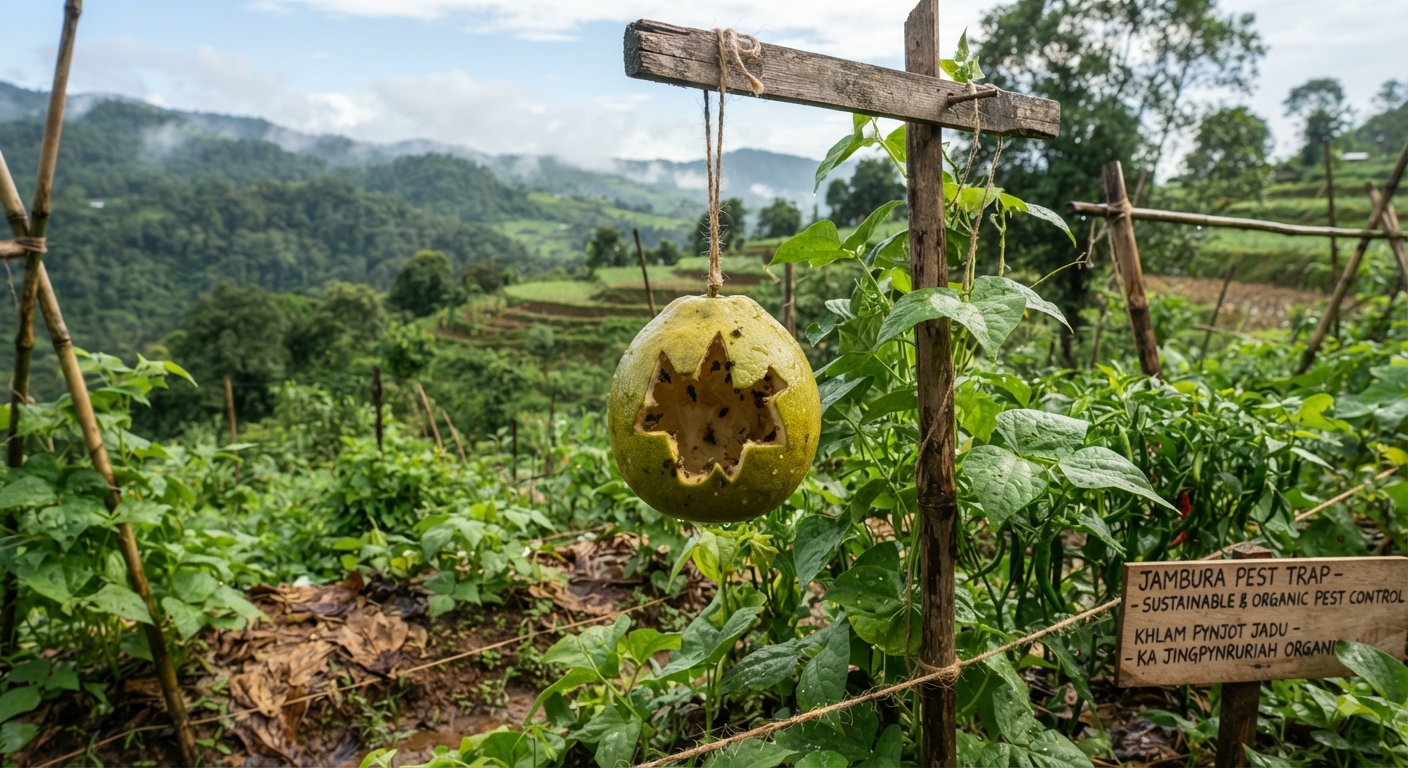
Introduction Deep in the lush, mist-covered hills of Meghalaya, farming is not just an occupation; it is a harmonious dialogue with nature. As global food supply chains face tightening regulations on chemical residues, corporate agribusinesses and food processing companies must find scalable, ecological alternatives to synthetic...
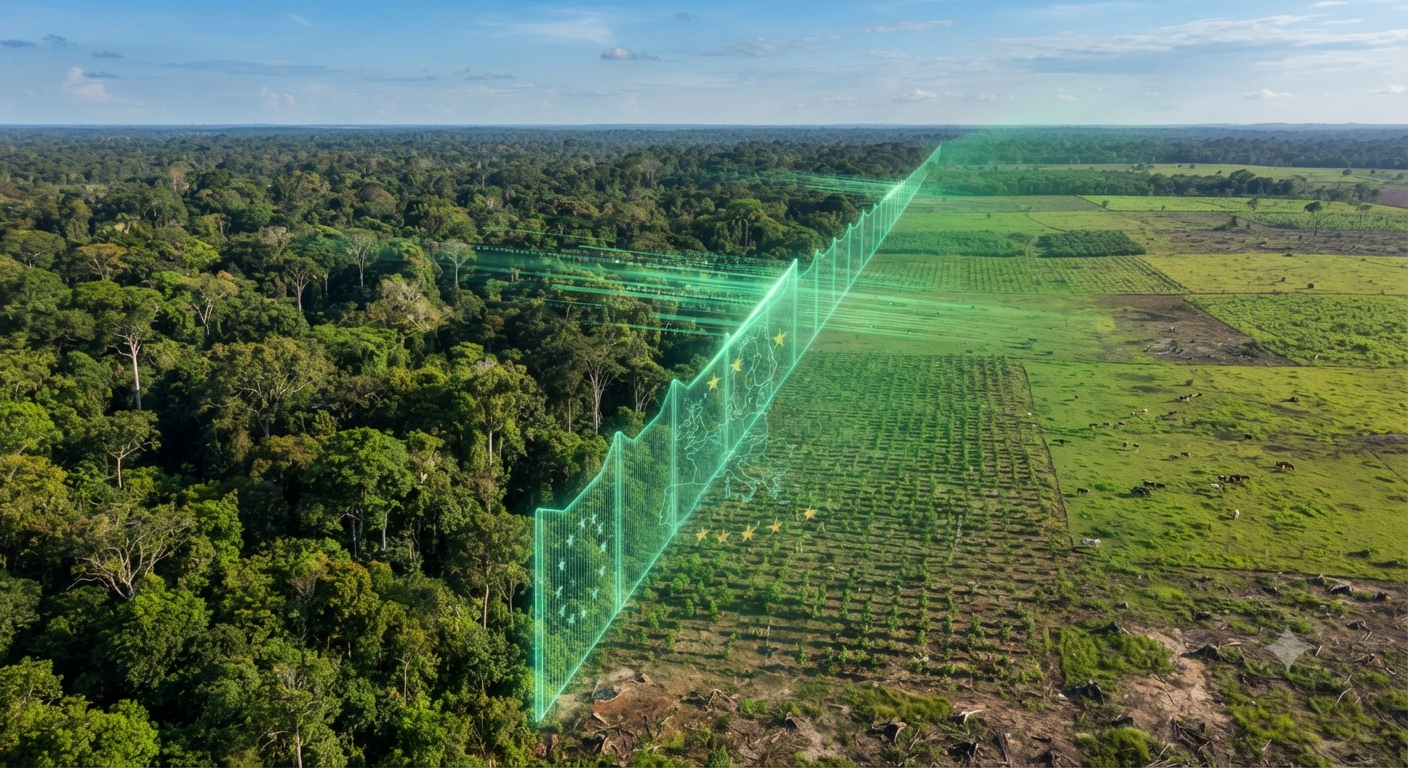
Introduction The EUDR (Regulation 2023/1115) is a core pillar of the European Green Deal. It mandates that specific commodities placed on, sold within, or exported from the EU market must be entirely deforestation-free and produced in compliance with the relevant local laws of the country of origin.  It requires...

Specialized cold storages are facilities designed to store and preserve perishable goods and products that require specific temperature and humidity conditions to maintain their quality and freshness. These cold storages are essential for various industries, such as the food, pharmaceutical, and chemical industries, where temperature...

Material Flow Cost Accounting (MFCA) is a management tool that helps organizations to identify, quantify and reduce the material losses in their production processes. In the food processing industry, MFCA can be used to exactly identify and reduce waste and losses of raw materials, energy, and water. This can result...

HVAC (heating, ventilation, and air conditioning) systems are essential in the food industry for maintaining safe and optimal conditions for food production and storage. The proper design, installation, and maintenance of HVAC systems in food processing and storage facilities can have a huge impact on the quality and safety of the food produced. Here, we will explore...

The food industry worldwide has a common demand from the consumers — something new. Whether its the Asia Pacific or the European countries, people across all age groups want a new addition to their palettes. New product development essentially involves developing a novel product on an...